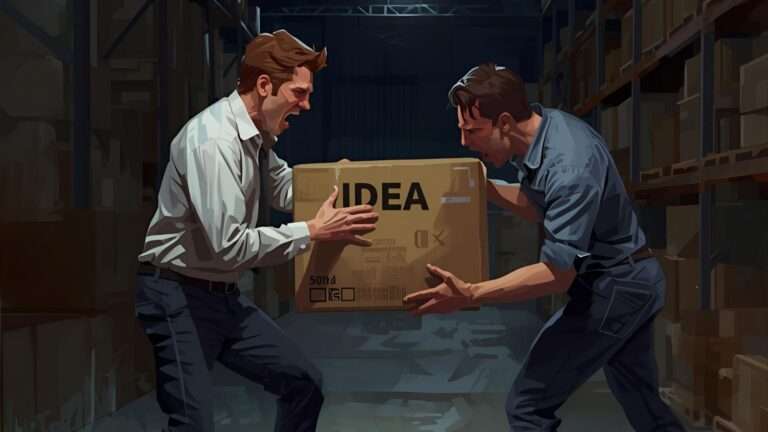
Copyright law plays a major role in the entertainment industry. It protects music, films, books, television productions, photographs, scripts, and digital content from unauthorized copying or use. Over the years, several copyright lawsuits involving famous musicians, film studios, and entertainment companies have made headlines around the world. These cases not only involved millions of dollars, but also changed the way artists and companies approach creativity and intellectual property protection.
The “Blurred Lines” Music Lawsuit – United States
One of the most famous entertainment copyright lawsuits took place in the United States involving the 2013 hit song Blurred Lines by Robin Thicke and Pharrell Williams. The family of legendary singer Marvin Gaye claimed that the song copied elements from Gaye’s 1977 song Got to Give It Up.
In 2015, a jury ruled in favour of the Gaye family. The court ordered Thicke and Williams to pay millions of dollars in damages and royalties. The lawsuit became highly controversial because the songs did not share identical lyrics or melodies, but the court found similarities in the musical style and overall feel.
Many musicians and legal experts believed the ruling blurred the line between inspiration and infringement. Discussions on platforms such as Reddit showed widespread concern that artists might become afraid to create music inspired by earlier styles or genres.
What Others Can Learn:
- Inspiration should not become imitation.
- Artists must document their creative process carefully.
- Music producers should seek legal advice when songs strongly resemble earlier works.
- Copyright disputes can affect artistic freedom and future creativity.
The Napster Lawsuit – United States
The rise of digital music sharing led to one of the largest copyright battles in entertainment history. The file-sharing service Napster allowed users to share music files for free over the internet in the late 1990s.
Major record companies and artists, including Metallica and Dr. Dre, sued Napster for copyright infringement in the United States. The courts ruled against Napster, finding that the company enabled massive unauthorized copying and distribution of copyrighted music.
Napster eventually shut down its original service, but the case changed the music industry forever. It pushed entertainment companies toward legal digital streaming services such as modern subscription music platforms.
What Others Can Learn:
- Digital technology does not remove copyright protection.
- Companies can be held liable if they enable illegal sharing of copyrighted content.
- The entertainment industry must adapt legally to technological changes.
Disney and Winnie-the-Pooh – United Kingdom and United States
The Walt Disney Company has been involved in many copyright disputes over the years. One of the most notable involved the rights to the famous character Winnie-the-Pooh.
The dispute involved licensing rights connected to author A. A. Milne and merchandising agreements. Court battles took place in both the United Kingdom and the United States over royalties and ownership rights linked to books, films, and merchandise.
Disney largely maintained its commercial rights to use the character in entertainment and merchandise, while the lawsuits highlighted the enormous financial value of intellectual property connected to children’s entertainment.
What Others Can Learn:
- Licensing agreements must be clear and detailed.
- Intellectual property can generate income for decades.
- Poorly drafted contracts often lead to lengthy legal disputes.
The “Stairway to Heaven” Lawsuit – United States
Legendary rock band Led Zeppelin faced accusations that their famous song Stairway to Heaven copied parts of the song Taurus by the band Spirit.
The lawsuit was heard in the United States, and after years of legal proceedings, the court ruled in favour of Led Zeppelin. The judges concluded that the musical elements in question were too common to qualify for copyright protection.
The case became important because it clarified that common musical building blocks, chord progressions, and simple musical phrases cannot easily be monopolized under copyright law.
What Others Can Learn:
- Copyright protects original expression, not generic ideas.
- Common artistic techniques are usually not protected.
- Courts often examine whether similarities are substantial or merely coincidental.
The Ed Sheeran Copyright Case – United States
British singer-songwriter Ed Sheeran was sued over claims that his hit song Thinking Out Loud copied parts of Marvin Gaye’s classic song Let’s Get It On.
The case was heard in the United States, and in 2023 the jury ruled in favour of Sheeran. The court found that the chord progressions and musical patterns used in the song were common elements often found in pop music.
The victory was welcomed by many musicians who feared that copyright claims based on common musical structures could damage creativity in the industry.
What Others Can Learn:
- Not every similarity amounts to copyright infringement.
- Basic musical structures belong to the broader musical tradition.
- Strong evidence is necessary before filing major infringement claims.
The Importance of Copyright in Entertainment
Entertainment copyright lawsuits often involve huge financial stakes because songs, films, and characters can generate income for many decades. Successful entertainment brands become valuable intellectual property assets that companies protect aggressively.
These lawsuits also demonstrate the challenge of balancing creativity with legal protection. Artists naturally influence one another, but the law attempts to prevent direct copying that unfairly exploits another creator’s work.
The biggest copyright lawsuits in entertainment have taken place mainly in countries such as the United States and the United Kingdom, where the entertainment industries are highly developed. Some plaintiffs won enormous settlements, while others lost after courts decided that similarities were too general to qualify as infringement.
For musicians, filmmakers, producers, and businesses, these cases provide valuable lessons:
- Keep records of original creative work.
- Understand licensing and copyright agreements clearly.
- Avoid copying protected material too closely.
- Seek legal advice before releasing potentially risky content.
- Recognize that intellectual property is often one of the most valuable assets in entertainment.
As technology and artificial intelligence continue changing the entertainment world, copyright law will likely remain one of the most important and debated areas of global intellectual property law.