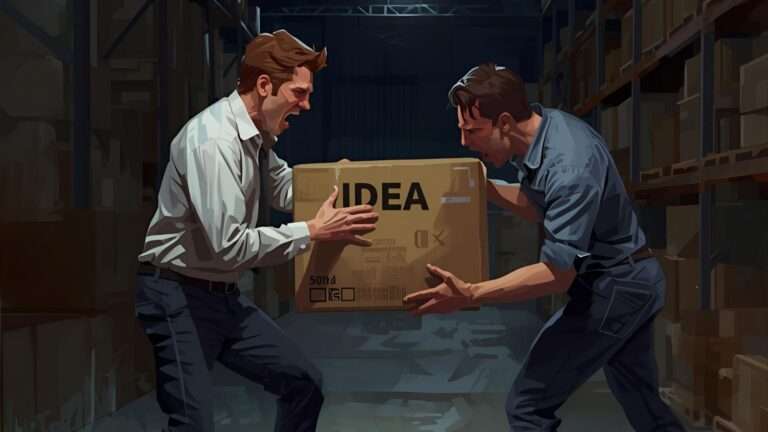
Moral rights refer to the rights under copyright law that protect the personal and reputational interests of creators. These rights fall within civil law and are distinct from the economic rights granted by copyright. Moral rights include the right to have a work published under a specific name or anonymously, and the right to ensure the integrity of the work is maintained.
While copyright gives authors economic rights, such as earning income from their creations, moral rights focus on recognition and protection of the author’s personal connection to the work. For example, an author has the right to be acknowledged as the creator of their work, even if the economic rights are transferred. Importantly, transferring economic rights does not include the transfer of moral rights. Creators of original, copyright-protected works therefore retain their moral rights regardless of who owns the economic rights.
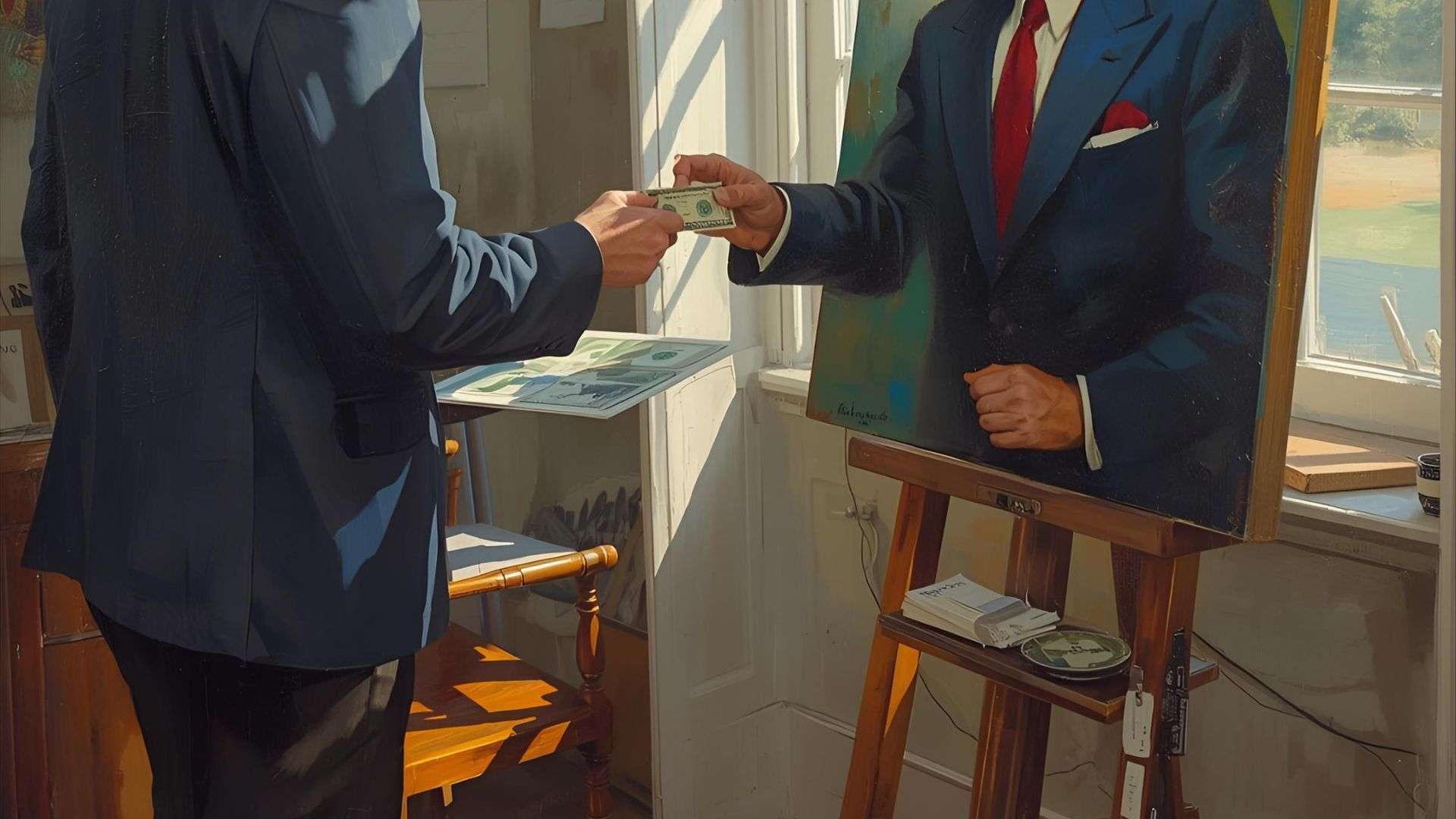
Moral Rights and International Protection
Moral rights are recognized internationally under the Berne Convention of 1928, which protects authors’ personal rights in their works. However, not all countries recognize these rights in the same way. For instance, the United States does not fully recognize all moral rights as established in the Berne Convention.
One of the most important moral rights worldwide is the right to prevent misattribution of a work, ensuring the author is correctly credited. Another key moral right is the protection of a work from distortion, modification, or alteration that could harm the creator’s reputation.
Moral Rights for Visual Artists in the USA
In the United States, visual artists are specifically protected under the Visual Artists Rights Act (VARA). This legislation grants artists:
- The right to authorship
- The right to prevent their name from being used on works they did not create
- The right to prevent mutilation or modification of their work that could harm their reputation
- The right to prevent the destruction of artworks
VARA provides an additional layer of protection for visual artists, safeguarding their personal and reputational interests even when economic rights are licensed or transferred.
Why Moral Rights Matter
Copyright laws and the recognition of moral rights vary between countries. Moral rights remain with the creator and are enforceable even if economic rights have been assigned to another party. This ensures that the personal connection between a creator and their work is preserved, protecting the integrity and attribution of the work. If you are an artist, author, or creator, it is essential to understand your moral rights under both local and international law. At Smit & Van Wyk, we provide expert guidance on copyright and moral rights, helping creators protect their works and ensure proper recognition. Contact us today to schedule an appointment and safeguard your rights as a creator.